Robot learning & autonomy / Preprint · 2026
BT-Agent.Deploying Onboard Robot Agents
with Behavior Trees and
Multi-Fidelity Evaluation
1 Stanford University2 UC Berkeley3 NVIDIA
BT-Agent research film
A 9B agent reasons, observes, and acts onboard the robot.
Read transcriptRecorded experiments; edited sequences and playback speeds are labeled in the film. The chest-opening change is enacted by an operator.
01 / The approach
Reason about the task.
Stay reactive on the robot.
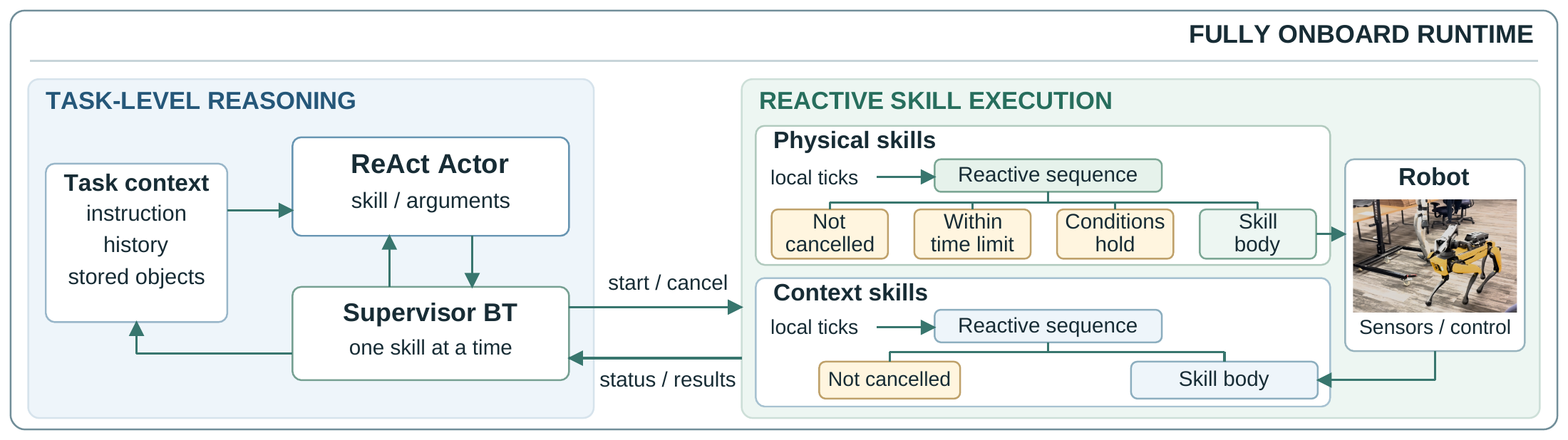
Language-model decisions take time. Robot execution needs to respond as conditions change. BT-Agent connects the two through predefined behavior-tree skills.
An onboard Actor selects the next skill and its arguments. A supervisor runs it, local guards recheck execution conditions, and structured results inform the next decision. The skill implementations and guards stay fixed at runtime.
LLM Actor
Task · history · observations
Select a skill + argumentsSupervisor BT
One skill at a time
Dispatch · return statusPredefined skill
The Actor uses the task, history, and stored results to select an available skill and its arguments. A supervisor starts one skill at a time.
View the complete architecture from the paper
02 / On the robot
Local checks.
Responsive execution.
When a guard fails, the running skill requests a stop without waiting for another model decision. The agent stays active to retry or report the constraint.
Median local acceptance
to commanded zero
Across nine interventions during motion. This measures the velocity command, not physical stopping time; the robot settles afterward.
11 of 15 real-world trials completed.
Five tasks, three trials each. Reasoning, perception, planning, and control run onboard; motion requires operator approval.
03 / Multi-fidelity evaluation
Develop in text.
Test with sensing and motion.
Shared task goals and skill interfaces connect a fast text environment with simulator execution. Text makes agent comparisons inexpensive; Habitat reveals how perception and motion change the outcome.
Text success is useful evidence for development. Paired simulation trials show which decisions survive contact with visual observations and navigation.
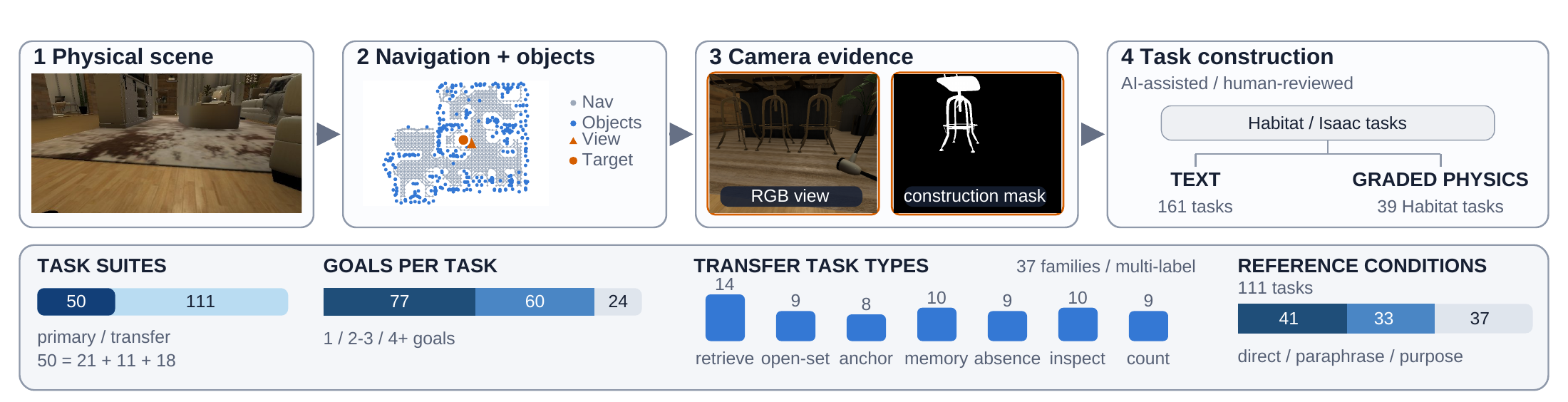
benchmark tasks
50 primary + 111 transfer tasks.
Controlled comparisons and injected faults.
paired tasks
Shared goals and scene priors.
VLM observations and simulated motion.
model on the robot
Boston Dynamics Spot.
NVIDIA Jetson Thor.
The 39 paired tasks come from two configurations of one home. Isaac-derived and transfer tasks are evaluated quantitatively in text only.
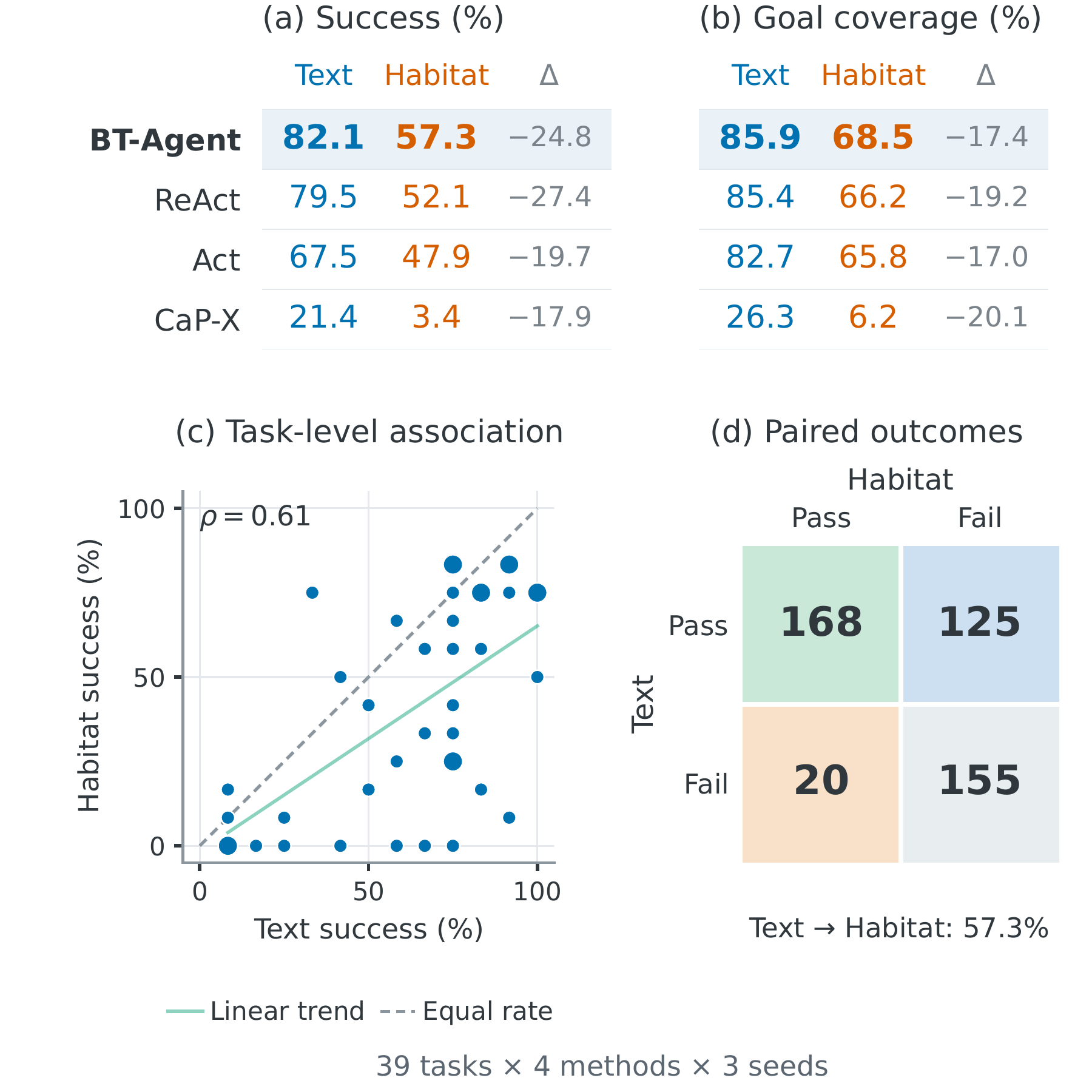
Figure 4 from the paper · open to enlarge.
What transfers?
Similar ordering.
Different outcomes.
Method ordering agrees across text and Habitat in this evaluation. But only 57.3% of text successes also succeed in Habitat: shared goals do not remove perception and motion failures.
Higher throughput in text
950 vs. 87.3 episodes/hour at eight workers in the reported 16-task setup, excluding timeout attempts. This is a setup-specific comparison.
Text trials also show the largest BT-Agent gains over the strongest Act/ReAct baseline at 4B and 9B: 10.1 and 5.0 percentage points. Results depend on model size, task, and inference cost.
Read the evaluation and limitationsHow the benchmark is constructed
04 / Paper & code
Build on this work.
The paper is available on arXiv.
The agent code is released under Apache-2.0. The benchmark release will follow.
Citation
@misc{huebel2026btagent,
  title = {BT-Agent: Deploying Onboard Robot Agents
    with Behavior Trees and Multi-Fidelity Evaluation},
  author = {H{\"u}bel, Fabio and Lilja, Adam and Yin, Yue
    and He, Siming and Tomlin, Claire and Sastry, Shankar
    and Frey, Jonas and Pavone, Marco},
  year = {2026},
  eprint = {2610.13862},
  archivePrefix = {arXiv},
  primaryClass = {cs.RO}
}